Crawl spaces are easy to forget until something goes wrong. Water can collect there from plumbing leaks, groundwater or poor drainage, and because the space is rarely visited, it can sit for a long time.
Cleaning up a crawl space involves removing water, removing wet insulation or debris, and drying the space in a confined area that requires care and the right equipment.
Common causes
- Plumbing leaks under the floor
- Groundwater and poor exterior drainage
- Condensation from uninsulated ducts
- Frozen pipe bursts in unheated crawl spaces
Warning signs
- Musty odour in rooms above
- Cold or damp floors
- Sagging insulation
- Increased humidity indoors
Immediate safety steps
- Do not enter a crawl space with standing water and electrical equipment.
- Confined spaces can have poor air quality — let professionals handle entry.
How our crawl space water cleanup process works
- 1
Access & inspect
Safely access and assess water, insulation and structure.
- 2
Remove water
Pump or extract standing water.
- 3
Remove damaged materials
Wet insulation and debris are removed.
- 4
Dry
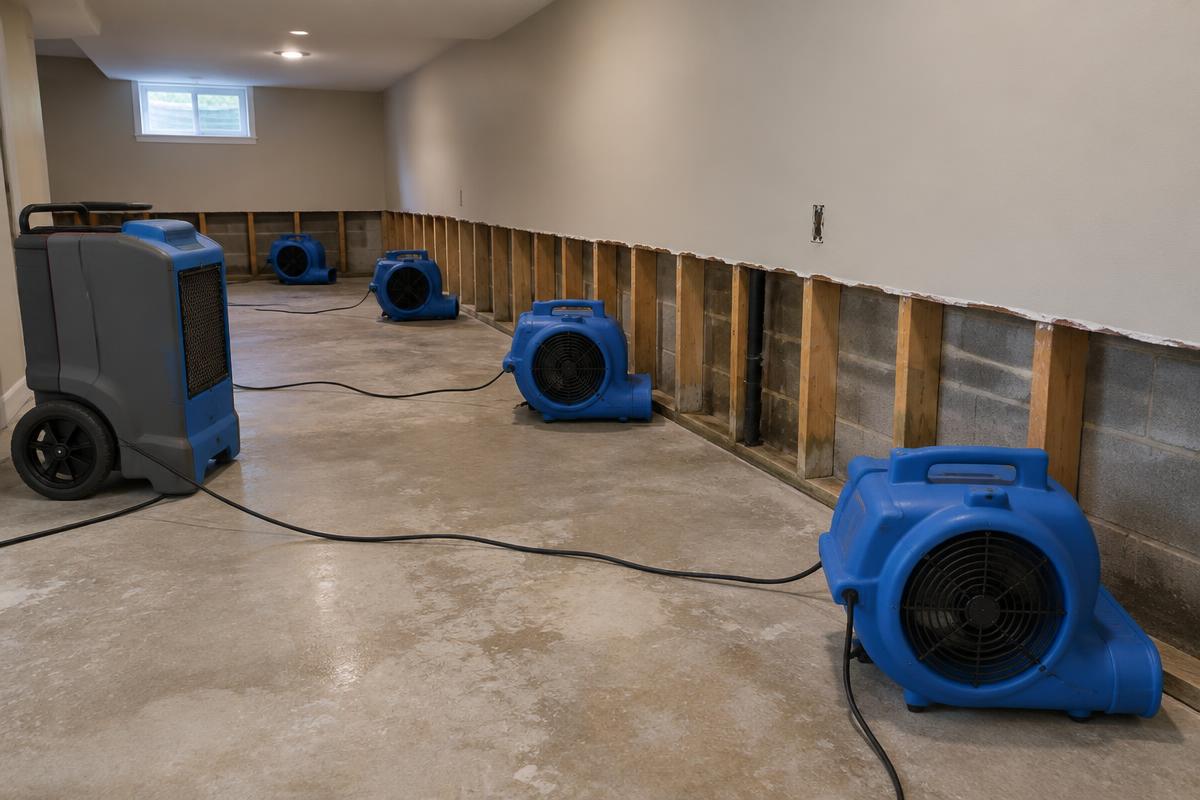
Dehumidifiers and airflow dry the space and framing.
What to expect when you call
- Photos of conditions you cannot easily see yourself
- Recommendations about drainage or vapour barriers where relevant
Homes and businesses
Residential: Crawl spaces are common under additions, sunrooms and some older homes.
Crawl Space Water Cleanup in Richmond Hill
Some Richmond Hill homes — especially older properties and additions — have crawl spaces rather than full basements.
Learn more about the areas we serve in Richmond Hill, or return to the Flood Services Richmond Hill homepage.
Crawl Space Water Cleanup FAQs
Why does my house smell musty?
A damp crawl space can affect indoor air in the rooms above. An inspection can help identify whether moisture is present.
Do you install vapour barriers?
Please ask when you call — we can discuss what is appropriate for your space.
Is crawl space water an emergency?
Active water or sewage should be addressed promptly. Ongoing dampness should still be investigated soon to avoid structural and mould issues.