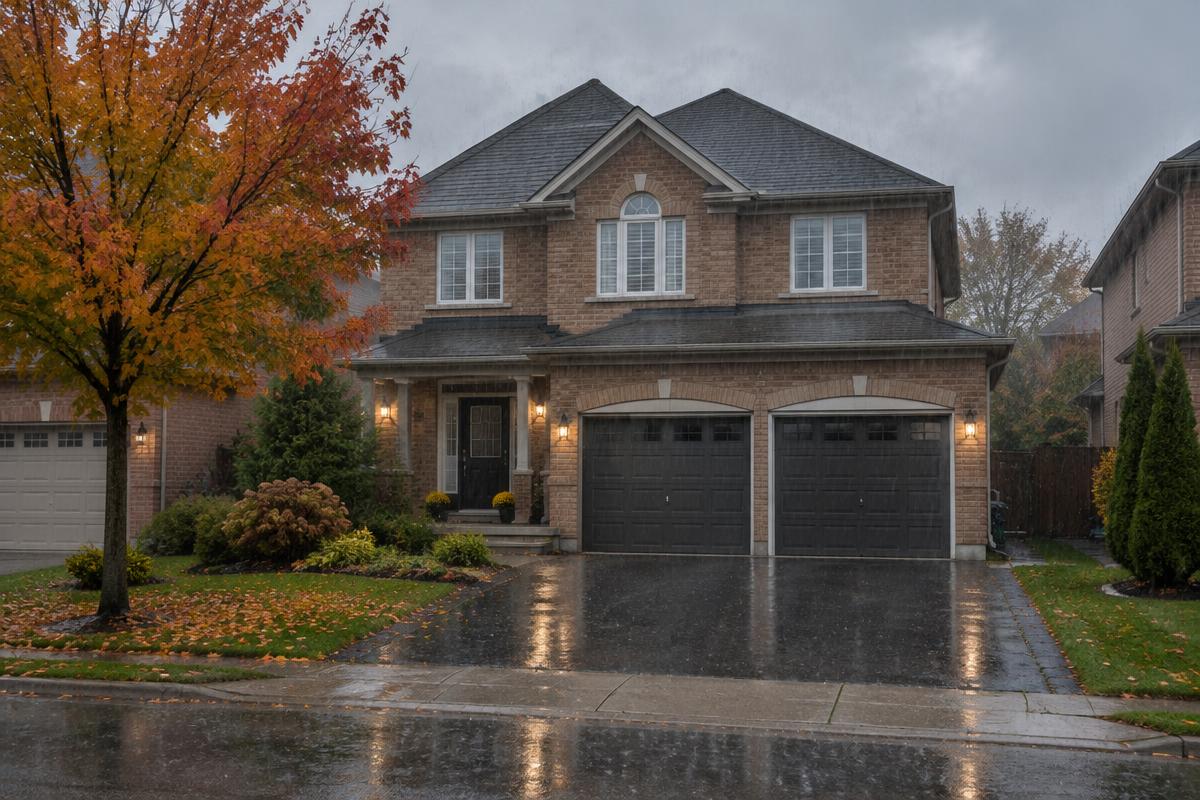
Your home is where water damage feels most personal. Beyond the floors and walls, there are family photos, furniture and daily routines to think about.
We restore homes after leaks and floods with respectful, clearly explained work — from the first extraction to drying, cleaning and, where needed, repairs.
Common causes
- Dishwasher, washer and fridge line leaks
- Toilet and tub overflows
- Basement seepage
- Ice damming and roof leaks
Warning signs
- Peeling paint or bubbling drywall
- Warped hardwood or lifting tiles
- Damp, musty rooms
- Stains under sinks or around appliances
Immediate safety steps
- Shut off the water to the leaking fixture or the whole house.
- Avoid electrical hazards around wet areas.
- Lift furniture off wet carpet using foil or blocks under legs if safe.
How our residential water damage restoration process works
- 1
Listen & inspect
We hear what happened and inspect every affected room.
- 2
Protect contents
Furniture and belongings are moved or protected.
- 3
Extract & dry
Water is removed and drying equipment is placed.
- 4
Restore
Once dry, we discuss repairs needed to return the space to its pre-loss condition.
What to expect when you call
- Respect for your home and belongings
- Plain-language updates
- Help understanding next steps with your insurer
Homes and businesses
Residential: Detached homes, semis, townhouses and condo suites each present different challenges — from basement walkouts to shared walls with neighbours.
Residential Water Damage Restoration in Richmond Hill
Richmond Hill's housing ranges from older homes near Mill Pond to newer subdivisions in Jefferson and Oak Ridges, each with different plumbing ages and basement construction.
Learn more about the areas we serve in Richmond Hill, or return to the Flood Services Richmond Hill homepage.
Residential Water Damage Restoration FAQs
Do you work in condos?
Yes. In condos we often coordinate with property management, since water can affect units above or below.
Will my insurance cover the restoration?
Coverage depends on your policy and the cause of damage. We provide documentation, but your insurer decides coverage.
How disruptive is drying equipment?
Equipment runs continuously and produces noise and warm air. We place it to reduce disruption while still drying effectively.